
A New Generation of Mechanical Extraction

OleoVita's process relies on controlled mechanical extraction rather than chemical intervention. By operating at low temperatures and eliminating solvent extraction, the process reduces the need for the intensive refining steps associated with conventional industrial oil production.
The technology is designed to preserve the natural characteristics of the raw material while achieving significantly higher extraction efficiency than conventional cold pressing. The result is a simpler process producing two valuable food ingredients from the same crop.
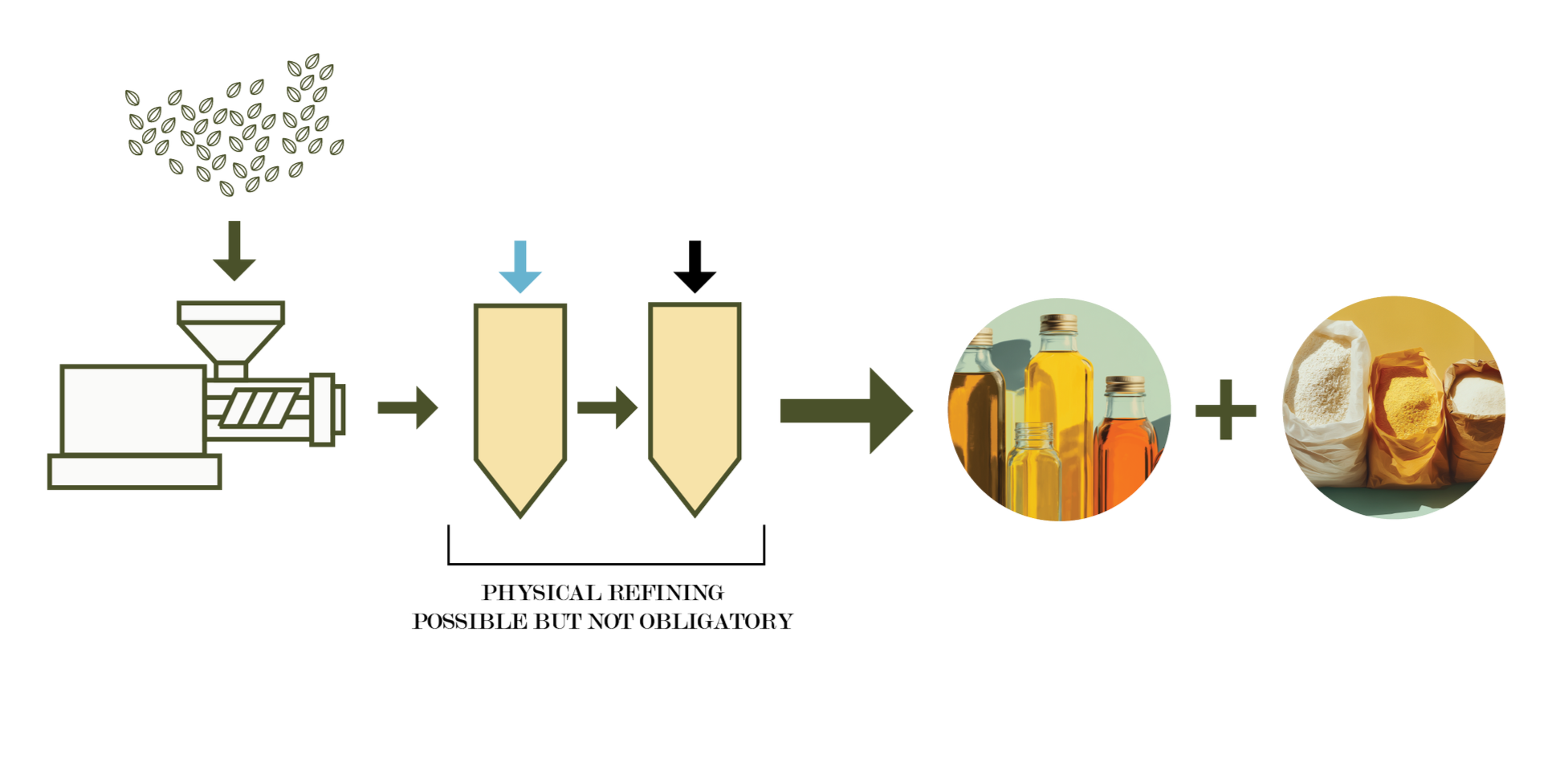
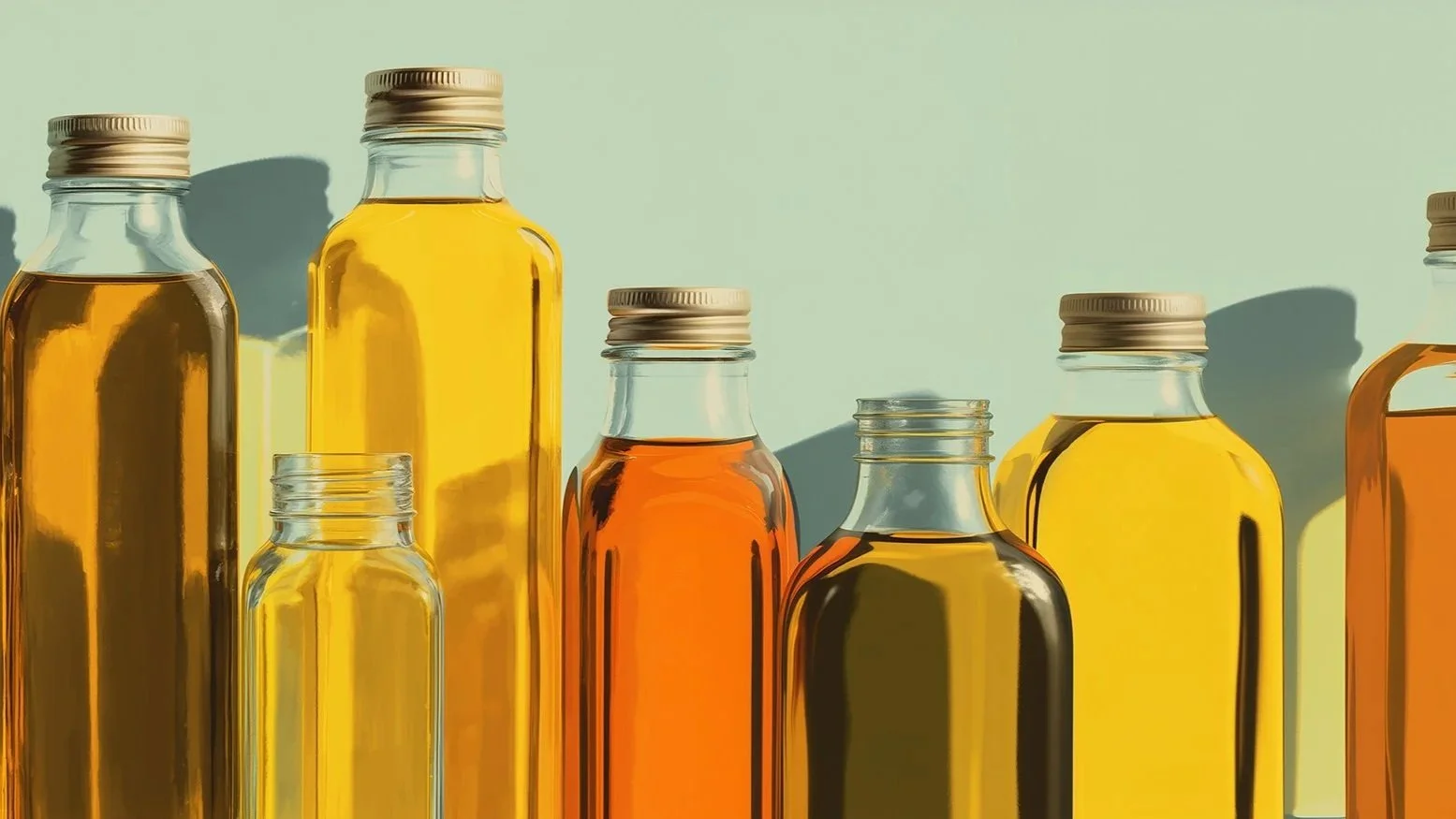
The primary product is a cold-extracted vegetable oil, produced at controlled low temperatures to preserve more of the raw material's natural characteristics.
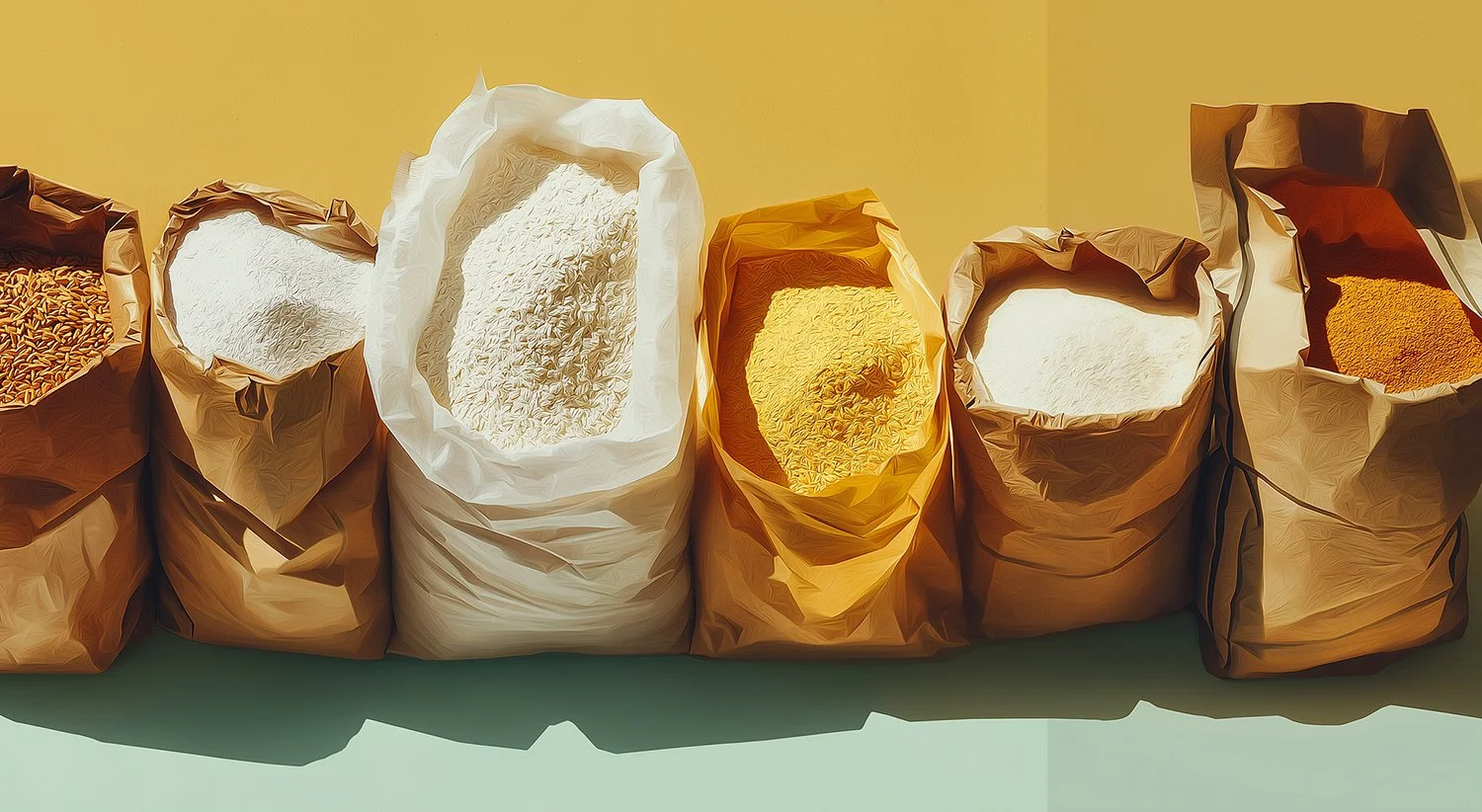
But the process does not end with the oil. After extraction, the remaining seed or nut material becomes a dry, low-fat, protein-rich flour — transforming what is conventionally treated as residual material into a valuable food ingredient.
From One Raw Material, Two Food Resources
OleoVita uses patented mechanical technology to extract vegetable oils at controlled low temperatures — without hexane or other solvents, and without chemical refining. Unlike conventional cold pressing, our technology is designed to combine high extraction efficiency with preservation of the natural qualities of the raw material.
This is mechanical precision rather than chemical intervention.
A Simpler Process. Two Valuable Products.
Conventional cold pressing offers an alternative to solvent extraction, but traditionally at the cost of lower oil yields. This limits its competitiveness at industrial scale and leaves more residual oil in the pressed material.
OleoVita's patented technology is designed to overcome this trade-off — achieving significantly higher extraction efficiency while maintaining controlled low temperatures. This increases the value obtained from the crop while leaving a drier, protein-rich material suitable for further use as a food ingredient.
Overcoming the Limits of Conventional Cold Pressing
Technology is only part of the solution.
What changes when advanced extraction can move closer to where crops are grown?